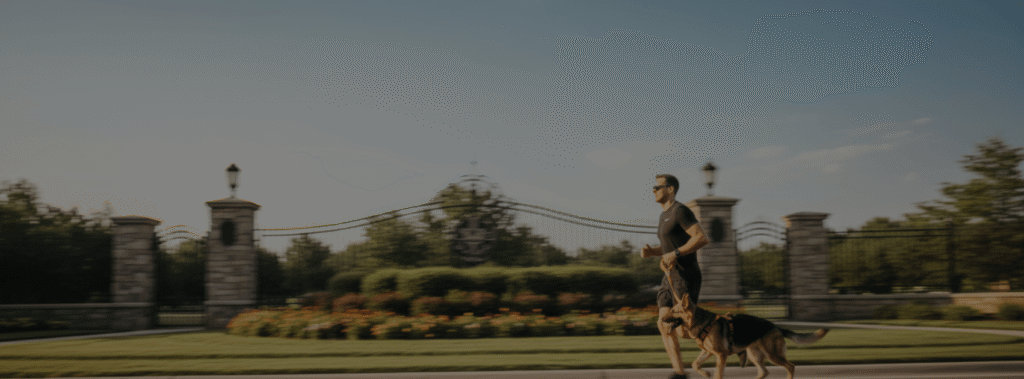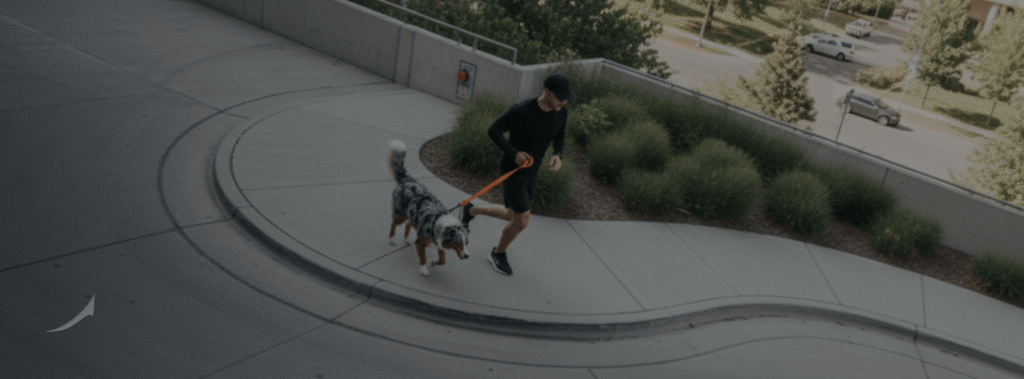
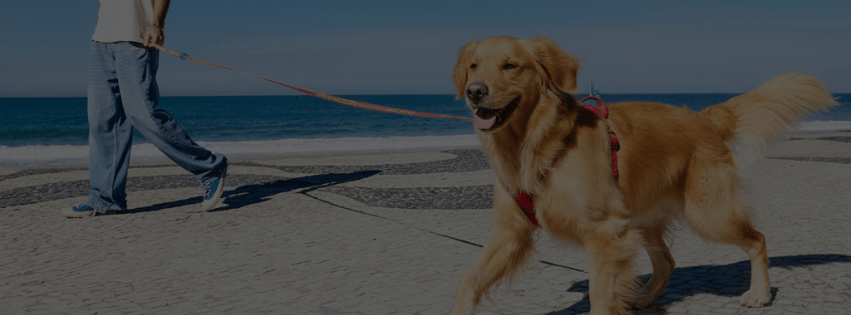
For many owners, walks feel like the responsible answer.
You get your dog outside.
They move.
They sniff.
They come home.
And yet, hours later, the dog still doesn’t settle.
They pace.
They hover.
They stay alert well into the evening.
This shows up most often in dogs who recover quickly from activity.
That can be confusing, especially when walks are supposed to help dogs relax.
When Walks Feel Like They Should Be Enough
Most owners already do the right things.
They walk their dog daily.
They try to be consistent.
They make time even when schedules are tight.
So when a dog still won’t settle after a walk, it’s natural to assume something else must be wrong.
In reality, the issue is rarely about effort.
It’s about what kind of work the walk actually provides.
What a Walk Does Well (and What It Doesn’t)
Walks are valuable.
They provide:
-
exposure to the environment
-
light movement
-
routine and familiarity
For many dogs, that’s enough.
But for dogs with higher capacity and fast recovery, walks are often fragmented.
They involve:
-
frequent stops
-
sniffing and scanning
-
changes in pace
-
short bursts followed by pauses
This stop–start pattern keeps the dog engaged without creating a clear work-to-rest transition.
The body moves, but the system never fully downshifts.
Why Some Dogs Stay Alert After Walks
For capable dogs, settling depends on more than movement.
It depends on whether the activity creates a clear endpoint.
When work lacks:
-
steady pacing
-
repeatability
-
consistency across days
the dog finishes the activity without a clean signal that the workday is complete.
So they remain “on.”
Not overstimulated.
Not anxious.
Just unfinished.
This is why some dogs look physically calm after walks but stay mentally alert for hours.
Why Some Dogs Seem More Alert After Walks
Some owners notice something even stranger.
Their dog doesn’t just fail to settle.
They seem more alert after a walk than before.
This happens when activity increases engagement without improving recovery.
Walks introduce:
-
new smells
-
environmental scanning
-
decision-making
-
start-stop movement
For dogs that recover quickly, this kind of input can raise alertness without providing a clear downshift afterward.
The dog returns home stimulated but unresolved.
They aren’t “amped up.”
They’re simply still engaged.
This is why adding more walking often makes the evening feel busier, not calmer.
Why This Shows Up Later, Not Right Away
Most owners don’t notice the problem immediately.
The walk ends.
Time passes.
The house slows down.
Without a clear downshift earlier in the day, the dog has nothing to settle from.
So they hover between states instead of resting fully.
This is also why owners often say their dog seems fine right after the walk but restless later.
The issue isn’t the walk itself.
It’s what the walk didn’t provide.
Why Doing More Walks Often Doesn’t Help
A common response is to add more.
Longer walks.
Extra walks.
More variety.
For some dogs, this increases stimulation without improving recovery.
Across the week, this can actually make settling less predictable.
Some days feel easier.
Other days feel restless for no obvious reason.
That inconsistency isn’t random.
It’s the result of uneven output that never creates a reliable work-to-rest pattern.
The missing piece isn’t quantity.
It’s structure.
What Changes When Work Is Structured Differently
When work becomes more structured, owners often notice:
-
Cleaner transitions after activity
-
Less lingering alertness
-
Evenings that feel easier to predict
-
A dog that rests and stays there
These changes don’t come from exhaustion.
They come from work that matches the dog’s capacity and allows a clear shift into rest.
When Walks Are Enough
This explanation doesn’t apply to every dog.
Many dogs:
-
settle easily after walks
-
do well with casual routines
-
don’t need higher-output work
If a dog consistently relaxes after walking, there’s no issue to solve.
This page applies specifically to dogs who remain alert and inconsistent despite normal walking routines.
How This Fits Into the Bigger Picture
Settling after walks isn’t a separate issue.
It’s one expression of a larger pattern.
If your dog struggles to settle in general, this page explains the broader context and what usually changes when settling improves:
If you’re questioning whether your dog is bored or simply underused, this explanation reframes that distinction clearly:
Is Your Dog Bored or Just Underused?
Closing Orientation
Walks are not the problem.
For some dogs, they’re just not the right kind of work to support clean transitions into rest.
Understanding that difference helps owners stop guessing and start building routines that lead to steadier evenings and more predictable weeks.